


By Marco Mariti, GRI | Licensed Real Estate Broker & Horse Farm Owner | Majestic Oaks Realty
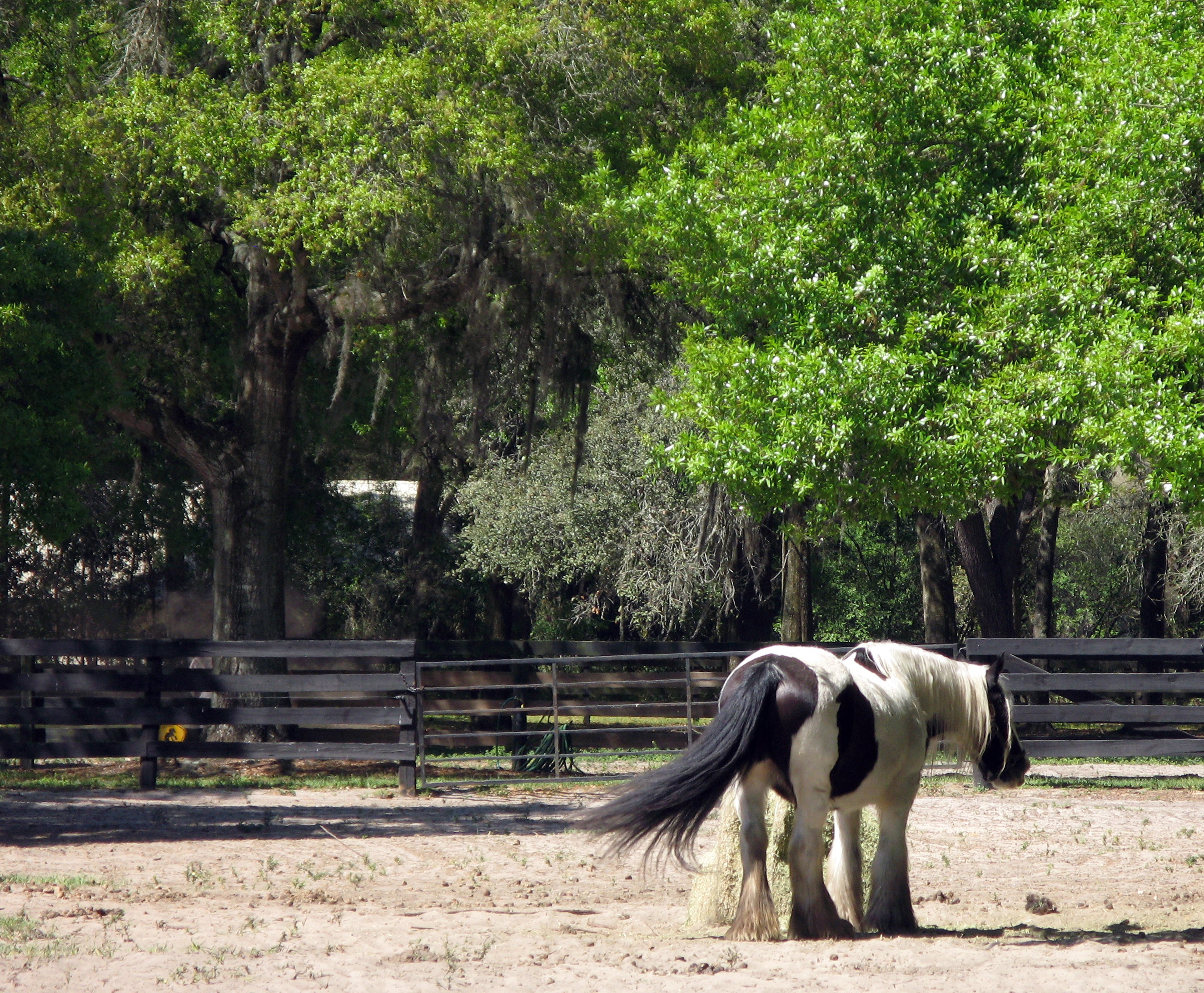

Ocala, Florida, internationally recognized as the Horse Capital of the World, offers an extraordinary selection of horse farms, luxury equestrian estates, training facilities, and agricultural acreage.
However, purchasing a horse farm involves considerably more than finding a beautiful residence surrounded by green pastures and attractive fencing.
As a real estate broker and horse farm owner with experience in Florida real estate since 2003, I understand the importance of evaluating a property from both a real estate and an equestrian perspective. I have even explored properties on horseback to better understand their terrain, rideability, pasture suitability, and development potential.
Here are ten important considerations I encourage prospective horse farm buyers to evaluate before making their purchase.
1. Location and Proximity to Equestrian Facilities
Location should reflect your particular equestrian discipline and lifestyle.
Ocala and Marion County offer access to outstanding equestrian destinations, including:
- World Equestrian Center (WEC)
- Florida Horse Park
- HITS Ocala
- Marjorie Harris Carr Cross Florida Greenway
- Local training facilities, equine veterinarians, farriers, and feed suppliers
Whether you participate in dressage, show jumping, Western riding, eventing, or recreational trail riding, consider the convenience of transporting your horses and accessing professional equine services.
The ideal location is not necessarily the closest property to a major competition venue, but the one that best supports your individual equestrian objectives.
2. Usable Acreage and Pasture Quality
Not all acreage is created equal.
A twenty-acre farm may offer less usable equestrian land than a well-designed ten-acre property.
When evaluating pastureland, I consider:
- Grass quality and grazing potential
- Soil composition and drainage
- Shade and shelter
- Pasture rotation opportunities
- Water availability
- Potentially toxic vegetation
- The amount of land occupied by wetlands, buildings, or easements
The appropriate number of horses depends on pasture productivity, management practices, supplemental feeding, and applicable restrictions.
A beautiful green pasture is only the beginning of a proper evaluation.
3. Zoning, Land Use and Development Potential
Before purchasing a horse farm, it is essential to understand what you can legally do with the property.
Buyers should investigate zoning classifications, permitted agricultural uses, deed restrictions, setbacks, easements, and applicable development regulations.
This becomes particularly important if you intend to construct:
- Additional horse barns
- Covered riding arenas
- Guest cottages or auxiliary housing
- Farm employee accommodations
- Equipment storage buildings
- Additional paddocks or equestrian facilities
My experience with land development, together with my advisory public-service role on the Marion County Land Development Regulation Commission, reinforces the importance of verifying development possibilities before committing to a purchase.
All proposed improvements should be independently confirmed with the appropriate regulatory authorities. My public-service role is separate from my private real estate representation.
4. Barn Design, Ventilation and Horse Safety
A barn should be evaluated for functionality, not simply appearance.
Florida's climate makes ventilation, shade, drainage, and heat management particularly important.
Consider stall dimensions, ceiling height, airflow, electrical installations, water access, feed storage, wash racks, tack rooms, and emergency access.
I also encourage buyers to examine how efficiently horses can be moved between stalls, paddocks, arenas, and turnout areas.
A thoughtfully designed barn can significantly improve daily operations and the comfort of both horses and their owners.
5. Fencing and Paddock Configuration
Proper fencing is fundamental to horse safety and effective farm management.
The appearance of fencing is less important than its condition, suitability, and functionality.
Evaluate the condition of posts, rails, gates, hardware, and any existing electric fencing. Consider whether paddocks can accommodate individual turnout, rotational grazing, and the separation of horses when necessary.
The cost of replacing extensive fencing can be substantial, making this an important consideration during negotiations and inspections.
6. Rideability and Terrain
One of the most overlooked characteristics of an equestrian property is its rideability.
A property may have beautiful pastures and considerable acreage but offer limited opportunities for comfortable riding.
When I evaluate horse properties, I consider footing, elevation changes, natural obstacles, open riding areas, potential riding loops, and the relationship between existing structures and the surrounding land.
Experiencing a property on horseback, when appropriate and permitted, can provide valuable firsthand insight into these characteristics.
Read my related article: Evaluating Ocala Horse Farms from the Saddle: An Equestrian Broker's Perspective.
7. Drainage, Flood Risk and Water Supply
Florida's seasonal rainfall makes drainage an essential consideration.
A property that appears dry and attractive during one season may perform very differently during periods of heavy rainfall.
Buyers should investigate flood zones, historical drainage conditions, soil characteristics, wetlands, and the location of barns and paddocks relative to low-lying areas.
Reliable water supplies are equally important. Wells, pumps, irrigation systems, water troughs, and plumbing should be professionally evaluated.
The availability of dependable water and well-drained land can have a significant impact on horse welfare and long-term operating expenses.
8. Farm Access, Infrastructure and Daily Operations
A successful horse farm must function efficiently every day.
Consider whether the property provides adequate access for horse trailers, feed deliveries, veterinary vehicles, tractors, and emergency services.
Evaluate driveway widths, gate locations, turning areas, electrical capacity, manure management, equipment storage, and the overall relationship between the residence and equestrian facilities.
A practical farm layout can save considerable time, labor, and expense throughout the ownership period.
9. Operating Costs, Insurance and Long-Term Investment
The purchase price is only one component of horse farm ownership.
Prospective buyers should budget for ongoing expenses such as:
- Pasture and fencing maintenance
- Barn repairs and equipment
- Property taxes and insurance
- Utilities and irrigation
- Farm labor
- Manure management
- Storm preparation and emergency planning
Depending on the property's use and eligibility, agricultural classification may affect property taxes. However, eligibility should never be assumed and must be confirmed with the Marion County Property Appraiser.
Buyers should also obtain appropriate insurance quotations, particularly if they intend to operate a boarding, breeding, or training business.
Understanding these expenses before purchasing can help protect both your lifestyle and your investment.
10. Choose a Real Estate Broker Who Understands Horses
Buying an equestrian property requires a different perspective from purchasing a conventional home.
An experienced equestrian real estate broker should understand not only the residential market but also the practical requirements of horse ownership, land management, farm infrastructure, and potential property improvements.
As both a horse farm owner and a licensed Florida real estate broker, I appreciate the importance of finding a property that works for the horses as well as the people who own them.
My objective is to help buyers recognize a property's strengths, identify potential limitations, and make informed decisions supported by appropriate professional due diligence.
Finding Your Ideal Horse Farm in Ocala
Whether you are searching for a private five-acre horse farm, a luxury equestrian estate, a professional training facility, or agricultural land on which to develop your own equestrian property, Ocala offers exceptional possibilities.
At Majestic Oaks Realty, we combine local real estate knowledge, equestrian experience, and an international perspective to help our clients navigate the Florida horse property market.
A horse farm is more than a real estate investment. It is a lifestyle, a responsibility, and often the realization of a lifelong dream.
I welcome the opportunity to help you find the property that best suits yours.
- Explore Ocala Horse Farms for Sale
- Explore Ocala Luxury Homes
- Explore Horse Farms Near World Equestrian Center
- Learn More About Marco Mariti, Ocala Real Estate Broker
Marco Mariti, GRI
Licensed Florida Real Estate Broker
Broker/Owner - Majestic Oaks Realty
Florida Luxury & Equestrian Real Estate Specialists